
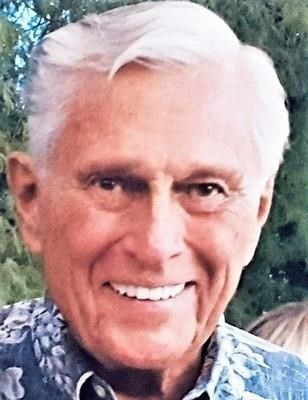
By Ken Russell, BDS, GDDSM
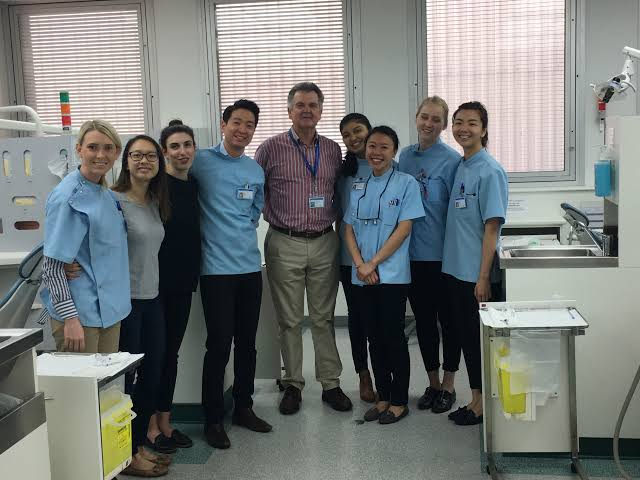
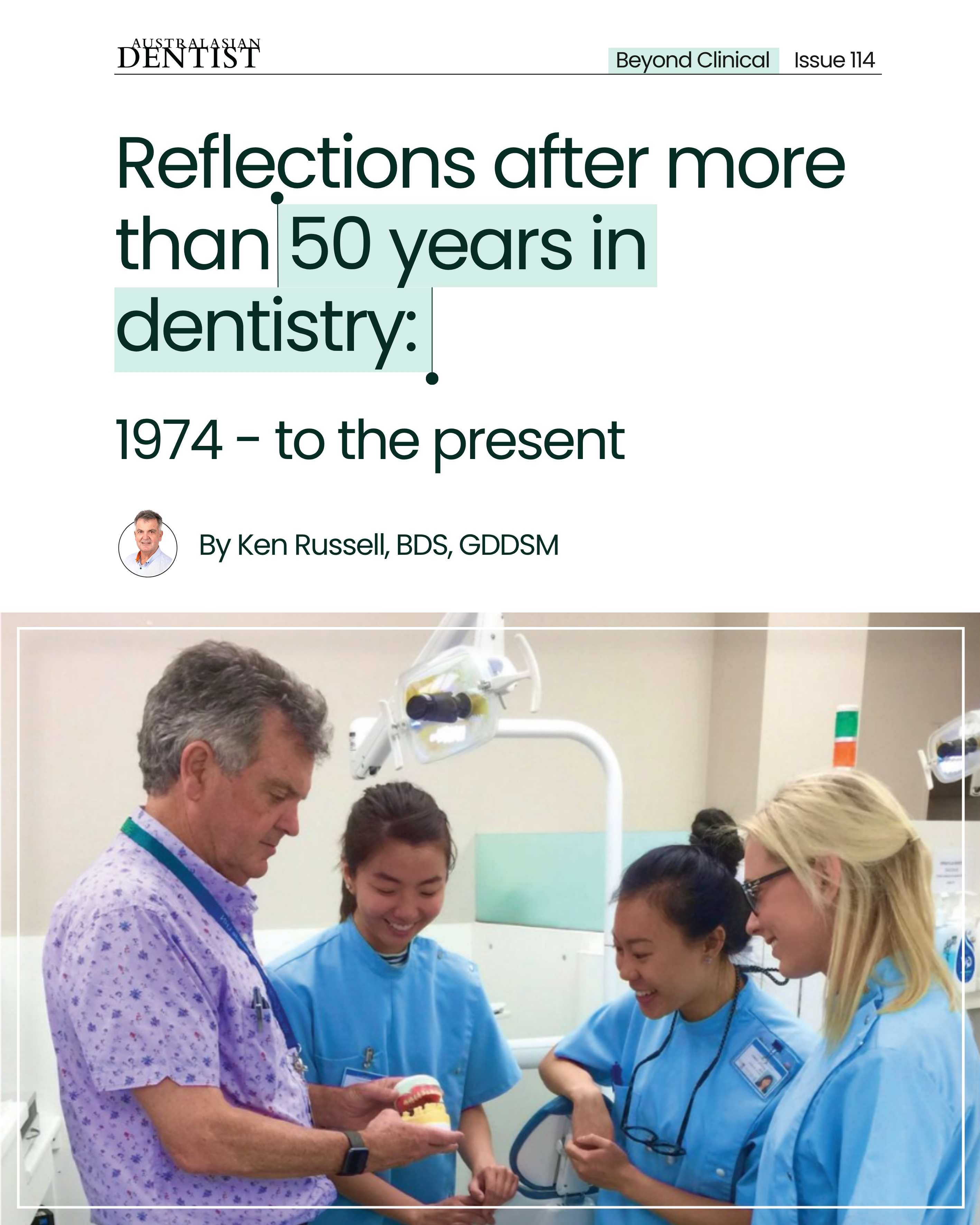
It seems a lifetime ago that I graduated from the Adelaide University Dental Hospital, and what an extraordinary journey of learning it has been. I have now been retired for 10 years and currently spend one day each week tutoring and supervising fifth-year students in General Practice Development at the new Adelaide University Dental Hospital.
Over the years, I employed many new graduates in my practice and loved the opportunity and challenge of helping to shape their careers. Tutoring seemed a natural next step. I always felt it was my responsibility to mentor every new graduate I employed.
I have loved my many years in private practice and dental management consulting. Like many of you, I discovered what a privilege it is to help patients improve their health while developing friendships and acquaintances that last a lifetime. These relationships are forged not only with our patients as we grow together, but also with the many team members who shared and enriched our journey.
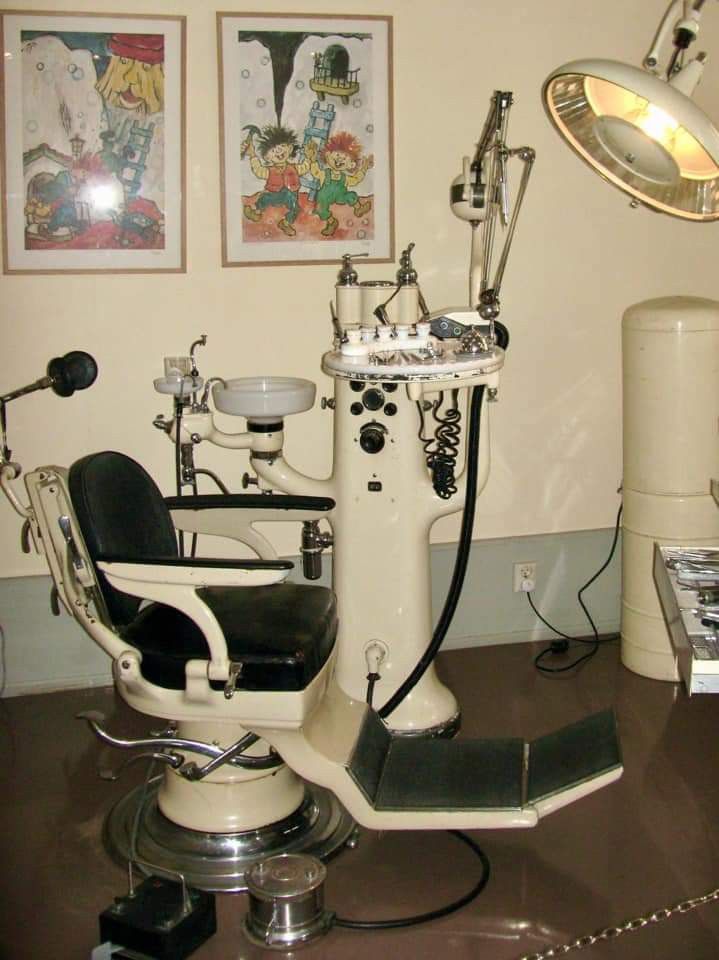
When I began private practice in 1974, fresh from the University of Adelaide, dentistry seemed unsophisticated by today’s standards. It was often more invasive, even brutal at times, but before the widespread benefits of fluoride much of it was necessary. Prevention was our greatest weapon then, long before the advent of adhesive dentistry, advanced endodontic techniques, and dental implants.
A defining moment came in the 1970s when I attended the Australian Dental Congress and first heard the American educator Dr Ohmer Reed speak about “total dental care” and relationship building, rather than the piecemeal treatment of pain and reactive dentistry that had characterised much of my practice to that point. During the same decade, private practice embraced the first wave of dental hygienists. It was liberating for practitioners and enormously beneficial for our patients and their long-term oral health.
To say that I loved living through this revolution in dentistry would be an understatement. I had the privilege of witnessing and participating in the transformation of dentistry from a largely reparative profession into one that genuinely pursued ideal oral health.
Along the way, I became one of the early adopters of CAD/CAM dentistry. In the early 90’s, I attended a mind-blowing course at the University of Zurich on CEREC porcelain inlays, sponsored by Siemens. By 1994, the equipment, techniques, and procedures had become integral to my practice. It was remarkable to be involved in the early stages of this technology and then witness scanning and same-day restorations become routine in modern dentistry.
The evolution of endodontics was equally remarkable. Rotary instrumentation allowed general practitioners to achieve outcomes that, in earlier years, were often possible only through referral to an endodontist. I had laboured for almost thirty years before this technology became mainstream and it transformed what was possible in everyday practice.
As my understanding of head and neck anatomy deepened, I increasingly appreciated the relationship between anatomy, successful dental treatment, and our unique ability as dentists to influence and benefit patients suffering from head and neck pain, temporomandibular disorders, and dysfunction. This journey became an intellectual passion. The more I learned, the more I realised how much there was still to understand, and I simply could not get enough of it.
Another exceptionally important development was the advent of successful implant dentistry. It provided options that dramatically improved our ability to restore function and quality of life. Although I did not place implants myself, I became highly skilled in designing and providing the prosthetic superstructures with excellent results. To this day, I remember the gratitude of patients who had struggled for years with unstable lower dentures. The simple procedure of stabilising a lower denture on two implants often transformed their lives.
About fifteen years before retirement, I felt that I had accumulated a wealth of knowledge and experience. I believed I was providing a high level of care in treating dental disease, relieving pain, restoring function, and assisting in the management of head and neck disorders and headaches. It was at this point that I attended several presentations by the American dentist Dr Steve Olmos on temporomandibular disorders, head and neck pain, sleep apnoea, and snoring.
I was immediately captivated. I enrolled in and completed the inaugural Diploma of Dental Sleep Medicine offered through Adelaide and Western Australian Universities in 2013. This course brought together everything I had learned throughout my career.
Understanding the risks associated with sleep apnoea and snoring, and the role dentistry could play in their treatment, completed my sense of becoming a truly rounded healthcare professional.
I practised for another five years after completing the diploma. By then, I realised that my next challenge was to impart as much of my lifetime experience as possible. Perhaps my aim was to place “an old head on young shoulders”. I applied for, and was given, the opportunity to teach and supervise final-year dental students. I have loved every moment of sharing the knowledge and perspective gained over more than fifty years in dentistry.
As I reflect on this remarkable profession, I feel nothing but gratitude. Dentistry gave me not merely a career, but a lifetime of learning, friendship, challenge, and the privilege of making a meaningful difference in the lives of others.
I could recount many stories from my journey, and I am sure many of you would have similar reflections. The point I wish to make is that we have been extraordinarily fortunate to be involved in this profession, particularly if, like me, you have enjoyed the longevity that has brought professional success, immense personal satisfaction and financial security.
I know I am fortunate to continue receiving the benefits of being a dentist, and I would encourage others of my vintage not to retire completely or surrender their registration, but instead to share their knowledge and experience with the upcoming generation of dental professionals.
This role does not come without sacrifice. Dealing with the rigid and often inflexible structures of universities and government health bodies, such as Adelaide University and SA Dental, is not always easy after spending a lifetime as your own boss. The incessant growth of policies, mandatory learning requirements, and bureaucratic expectations can be confronting, occasionally frustrating, and at times seem trivial.
However, once you have jumped through the hoops, there is immense satisfaction in making a significant difference to the education and lives of dental students. The opportunity to take students’ theoretical knowledge and help transform it into practical reality is a privilege. I am constantly rewarded with gratitude and respect as I guide students through specific treatments and, every now and then, step in to complete a part of the process so they can continue learning and progressing.
I feel that I am engaged in a worthy pursuit, but I often wonder why more retired dentists do not choose this path. Universities genuinely need our experience, and I hope that by raising this issue, some of the barriers might be addressed.
I am sure financial pressures and political imperatives are impacting and restricting university teaching and student outcomes. Our ADA, Universities, State Dental Departments and authorities, and Professional Indemnity Organisations could and should step forward and subsidise some of our contributing costs to carry out this service.
Sure, there is a small stipend but the continuing costs of registration, indemnity insurance and licenses eat into this renumeration and possibly act as a deterrent. Such support may help ensure that the experience and wisdom of experienced and retiring dentists are not lost to Australian society.
Then again, perhaps my ego has simply outrun reality, and no one cares.
I suspect, however, that they do.