

By Joakim Rådström, Freelance journalist
A Swedish scholarship initiative is helping talented young Tanzanians pursue careers in dentistry and other healthcare professions. During a visit to Tanzania, we met two young dental practitioners whose education was made possible through support from the Swedish non-profit organisation Help to Help.
.
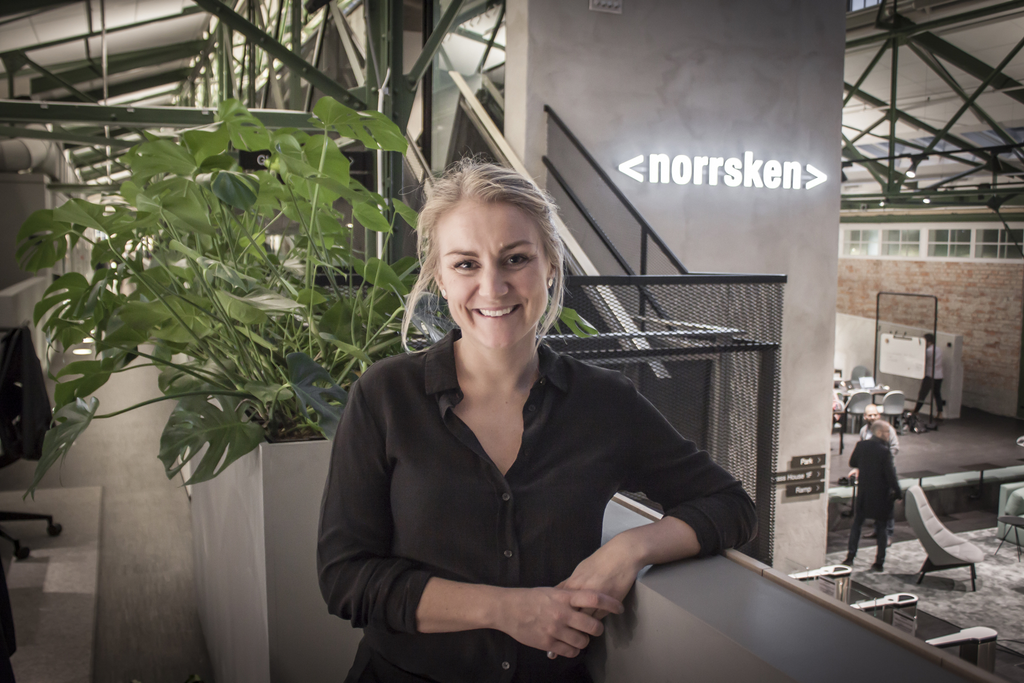
Photo: Joakim Rådström
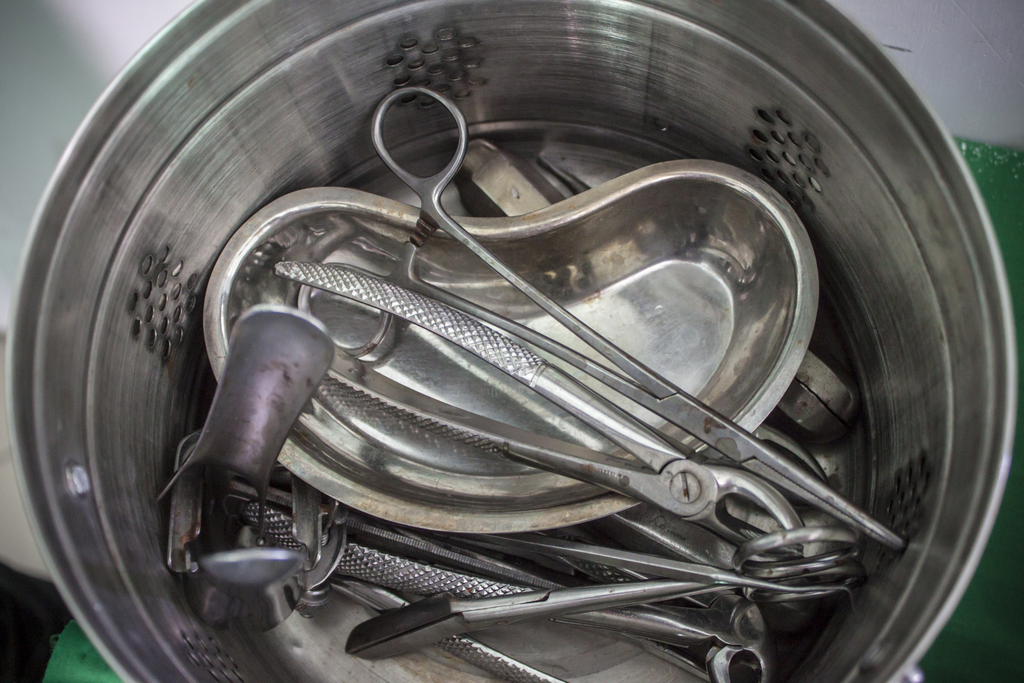
A metal basket filled with dental instruments sits beside the treatment chair. Most of them are extraction forceps. The handwritten patient log records a familiar pattern: tooth extractions account for the majority of treatments. An extraction costs around TZS 4,000 (approximately AUD 2.30). A filling can cost four times as much, meaning that many patients simply choose to have a painful tooth removed rather than restored, if they seek dental care at all
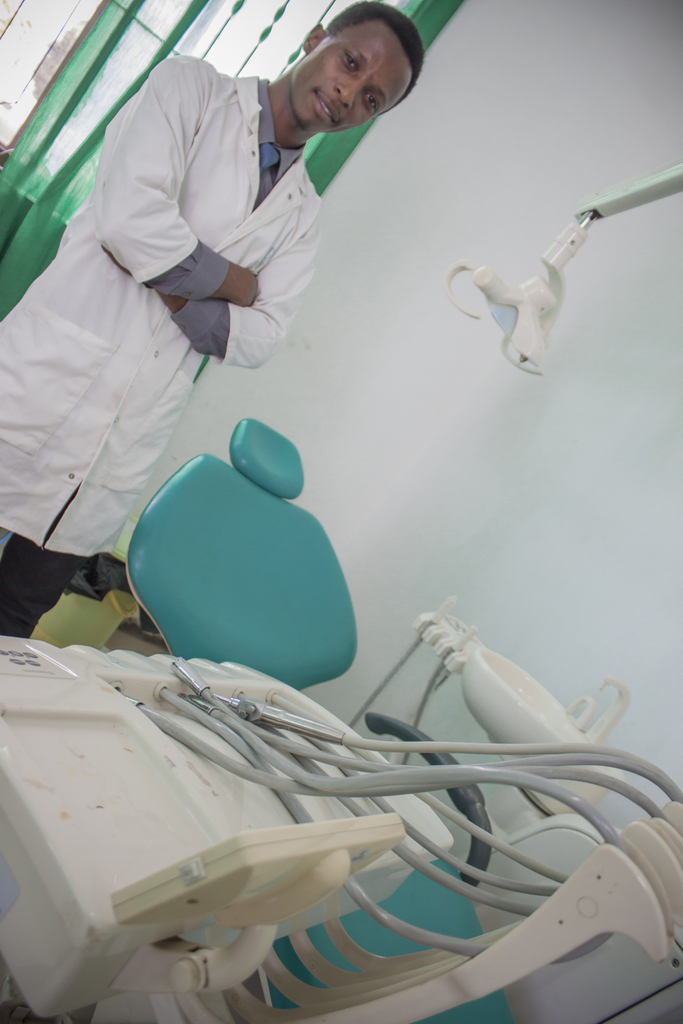
“Most of our patients arrive very late. Here in Africa, many people only come to hospital when they are already very sick”, says David Eliakim, 24, who runs the small dental clinic.
His bright smile is a fitting advertisement for his profession. Yet dentists remain a scarce resource in Tanzania. Despite a population of more than 60 million people, the country has only a few hundred practising dentists, leaving vast areas with little or no access to oral healthcare.
“I wanted to choose a profession that wasn’t overcrowded”, David explains. “There is such a huge need for dental professionals here.”.
Like many young Tanzanians, however, David almost had to abandon his ambitions. Higher education is expensive, and without financial support many talented students are forced to discontinue their studies.
His opportunity came through Help to Help, a Swedish non-profit organisation founded by Malin Cronqvist. The organisation enables companies and private donors to sponsor promising university students, helping them complete their education while also providing mentoring, leadership training and career development.
“I was encouraged to apply by another student who had already received support from Help to Help”, David says.
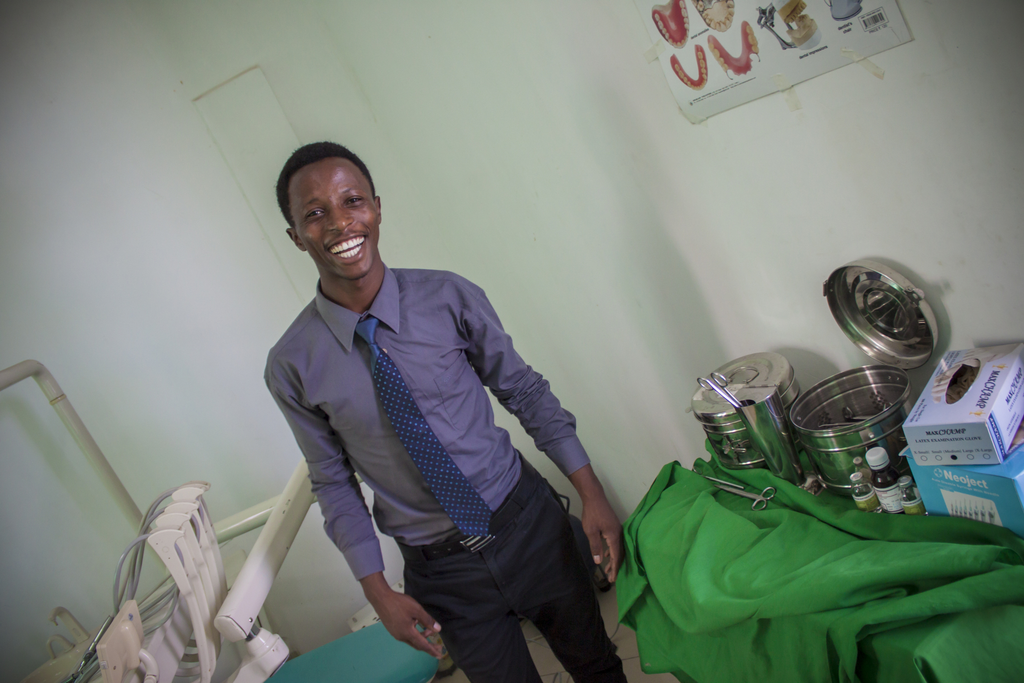
Photo: Joakim Rådström
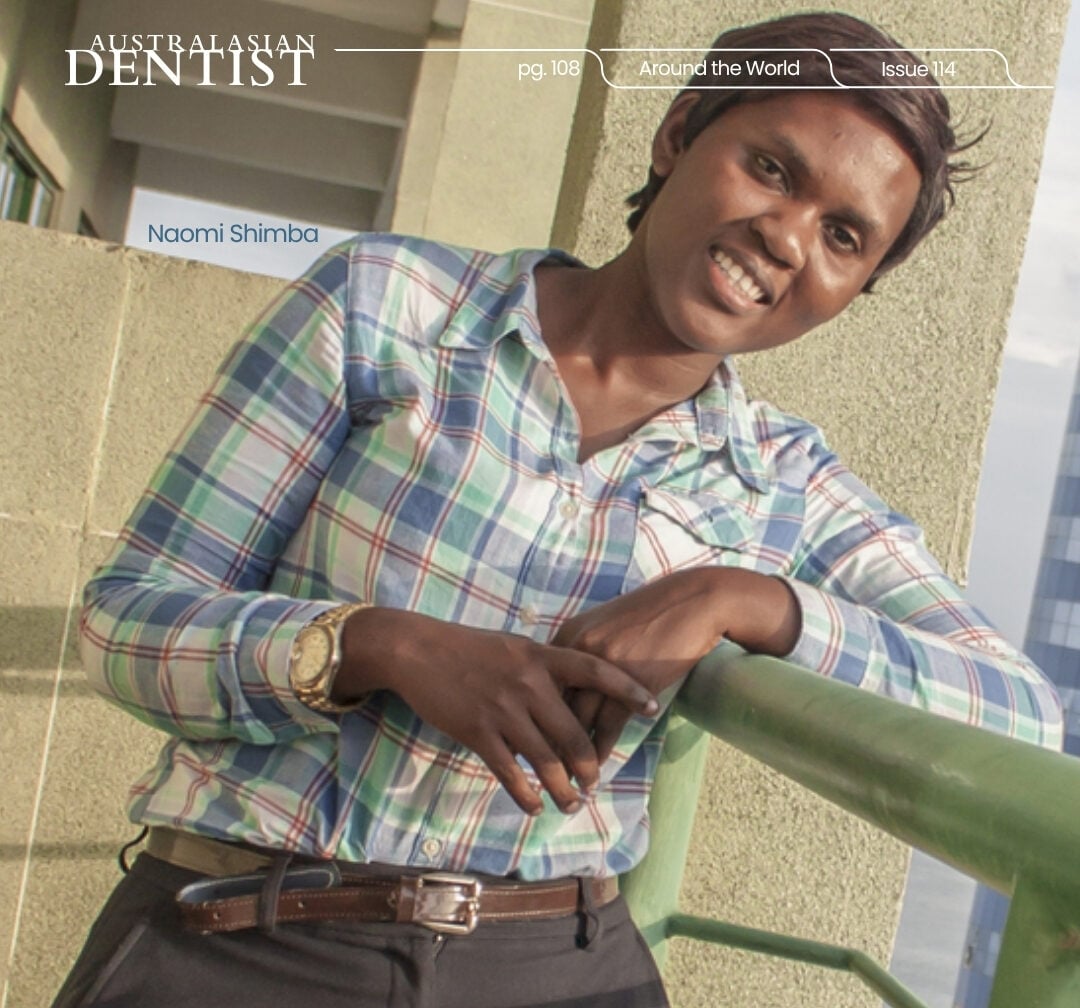
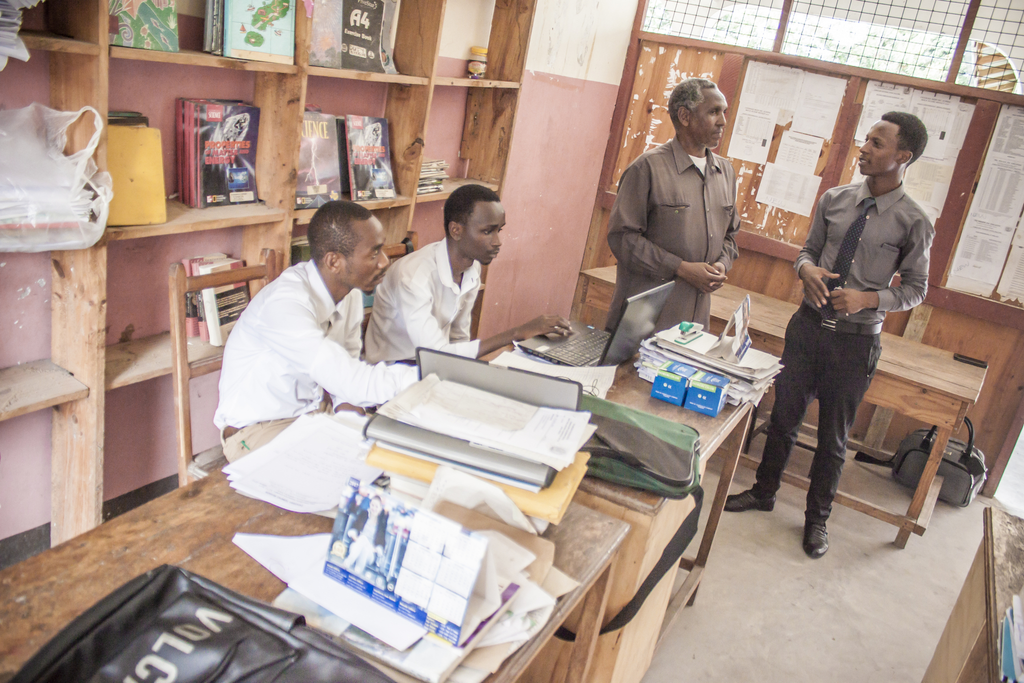
Two of the organisation’s key coordinators in Tanzania are Naomi Shimba and Andrew Mwakalebela, who identify promising candidates, interview applicants and monitor students throughout their studies. We meet them at Help to Help’s office in Dar es Salaam.
“Our vision is not only to provide scholarships”, Naomi explains. We want to offer a complete support package for talented young people. We also try to match our scholarships with the country’s labour market needs – whether that’s engineers, nurses, medical doctors, dentists or teachers.“.
“And we work hard to maintain gender balance among our scholarship recipients”, Andrew adds.

Photo: Joakim Rådström
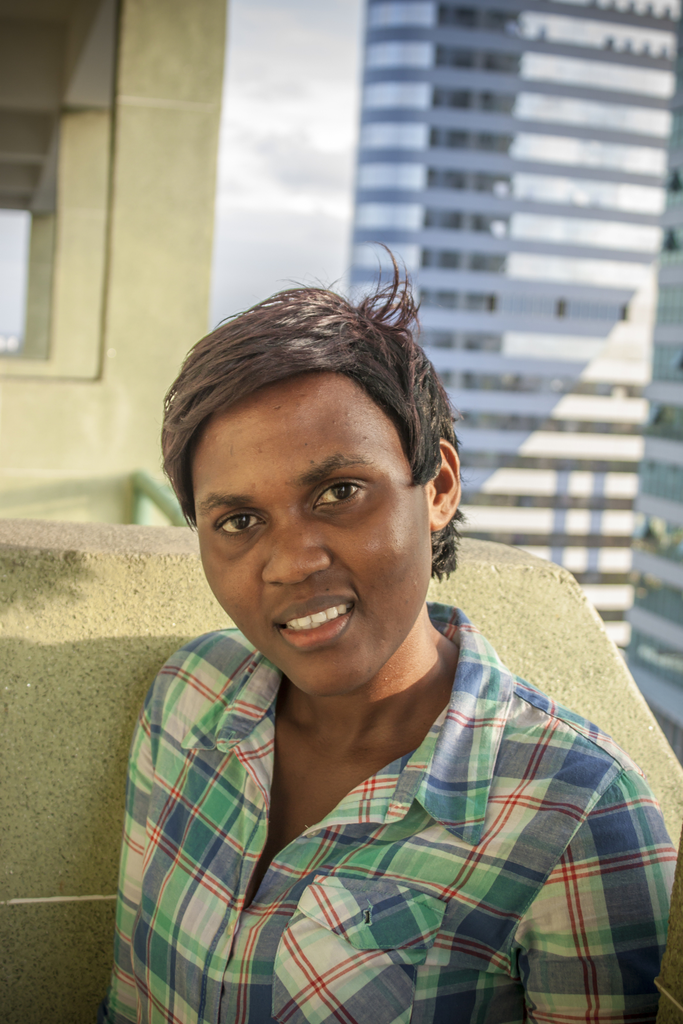
Photo: Joakim Rådström
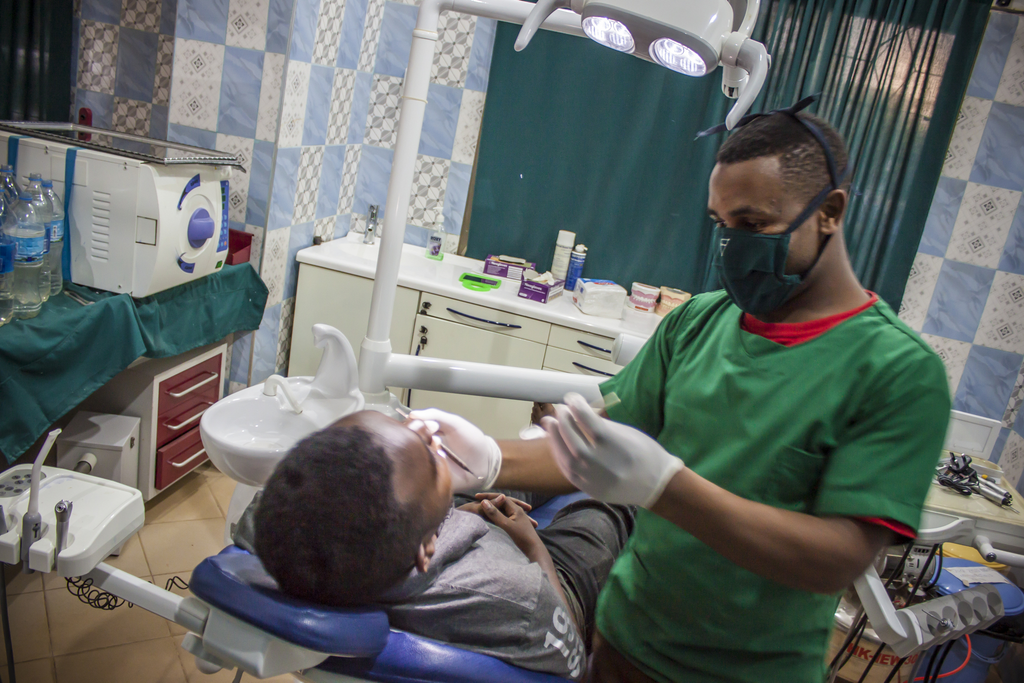
Another beneficiary is Witho Kawogo, whom we meet at his modest Goa Dental Clinic in the regional city of Morogoro.
“I became interested in dentistry because there were so few dentists in Tanzania”, he says. “In many rural communities there are hardly any dental professionals at all.“
Witho Kawogo
Photo: Joakim Rådström
As qualified oral healthcare providers, both David and Witho are in high demand. Yet the challenges they face differ considerably from those encountered by dentists in Australia or New Zealand.
Patients from rural villages often suffer from periodontal disease caused by poor oral hygiene, Witho explains. People living in urban areas are more likely to present with dental caries because they consume more sugary foods and drinks.
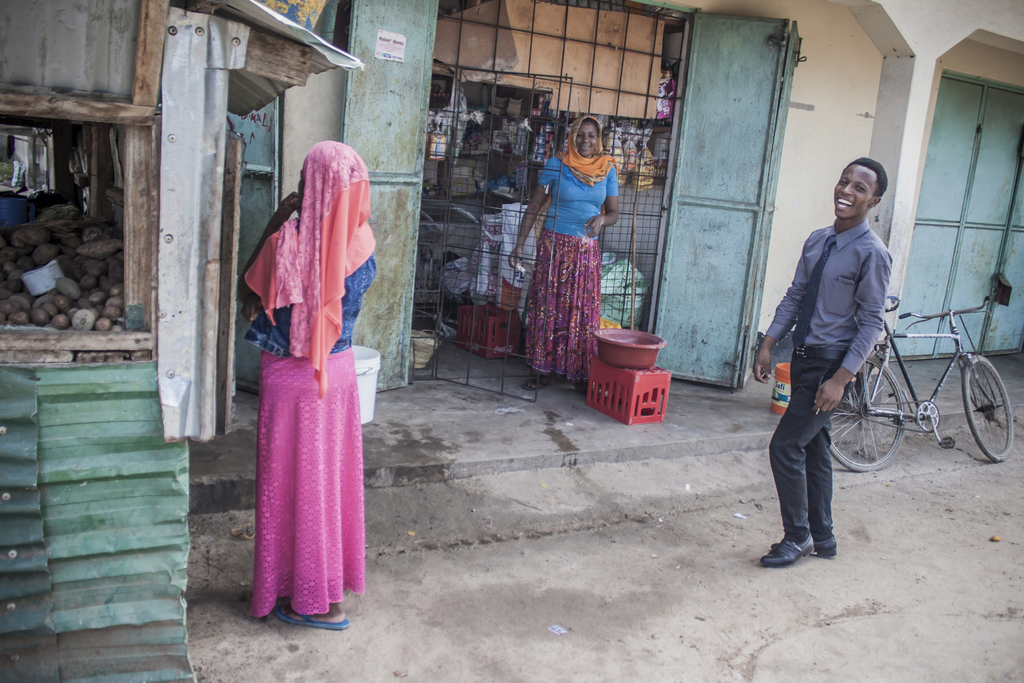
Photo: Joakim Rådström
In Tanzania, aspiring dental professionals have two main educational pathways. One is admission to the country’s public dental programme at Muhimbili University of Health and Allied Sciences (MUHAS). The other is enrolment at one of several private colleges offering diploma-level training in dentistry. These programmes are shorter – typically three years rather than five – but also provide a more limited scope of practice.
David chose the diploma route.
University-trained dentists can earn around TZS 1.2 million a month (approximately AUD 700), he says. I earn about TZS 600,000 (around AUD 350).
After graduating, however, securing employment proved difficult. Despite the country’s shortage of oral health professionals, vacancies were scarce.
His breakthrough came when he met a physician running a small medical clinic in Chamazi, on the outskirts of Dar es Salaam. Believing in the young dental practitioner, the doctor offered him space to establish a dental service within the clinic.
A Chinese-made dental chair was purchased, together with a second-hand X-ray unit, and David was finally able to begin treating patients.
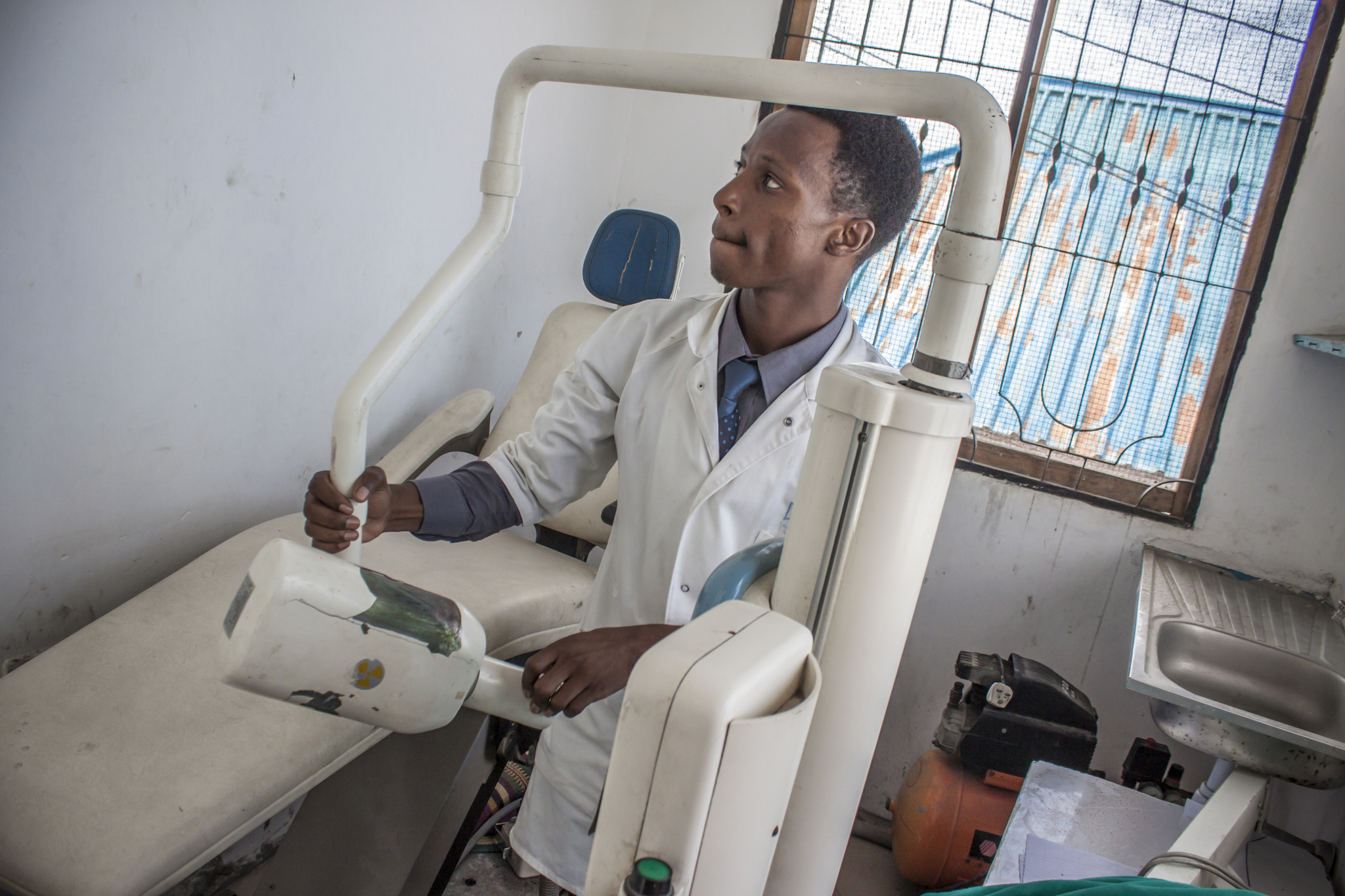
At first, no patients came. I still had to pay the rent, so it wasn’t easy. But we started advertising locally, and gradually more and more people found us.
Today, the clinic also houses a pharmacy staffed by pharmacist Salama, as well as a small medical laboratory where laboratory assistant Jacob performs diagnostic tests. Although resources are modest by Australian standards, the clinic is surprisingly well equipped. David has an autoclave for instrument sterilisation, the laboratory contains a modern microscope, and donations from overseas have supplied staff with clinical coats – one of David’s still bears the embroidered words County Council of Älvsborg, a reminder of its Swedish origin.
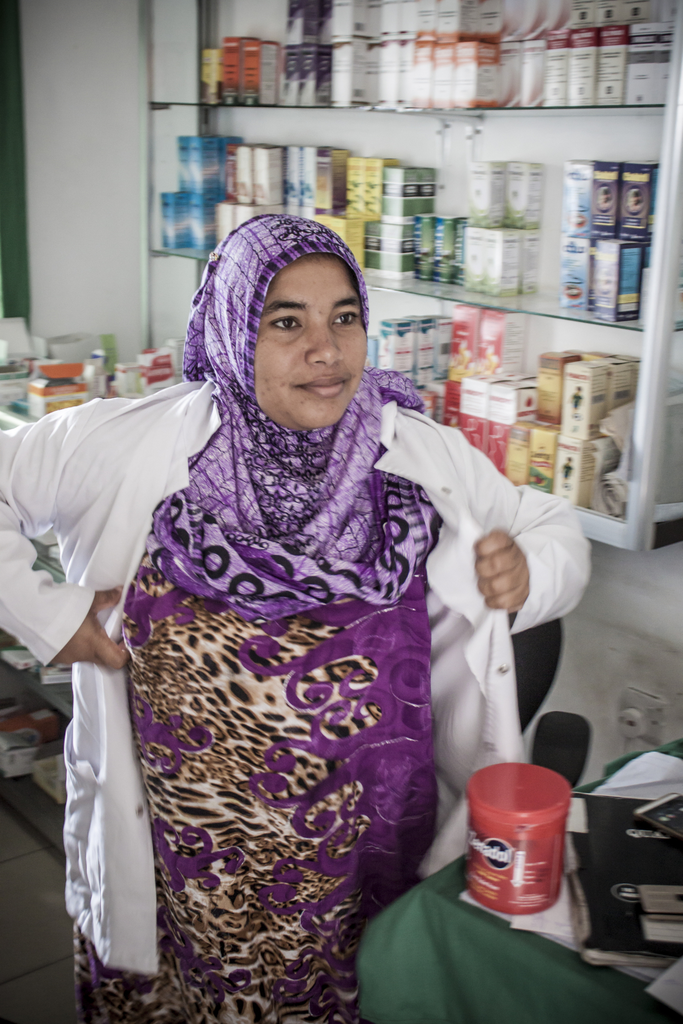
Photo: Joakim Rådströma
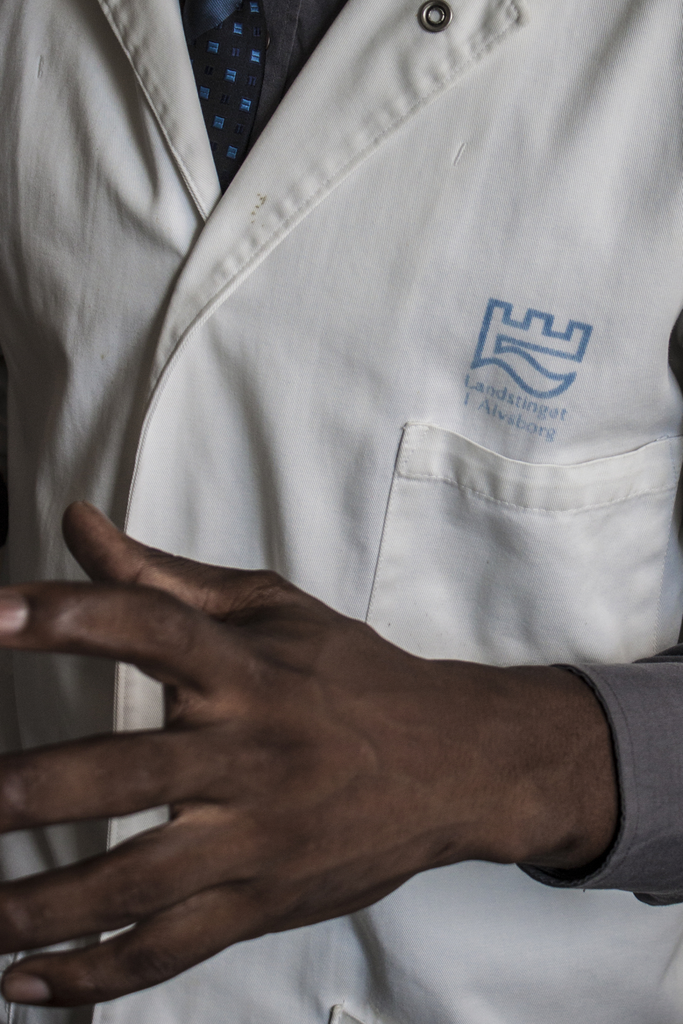
Photo: Joakim Rådström
Infrastructure, however, remains a constant challenge.
“The running water is only suitable for rinsing – not for drinking”, David explains. “We have a generator when the electricity goes out, but it’s not powerful enough to operate the dental equipment. So I prepare everything in advance, fill the compressor with air and make sure we’re ready before starting treatment.”.
His commitment extends well beyond the walls of the surgery. Between patients, David regularly visits local schools and community groups to deliver oral health education, while also speaking about broader health issues, including hygiene and sexual health.
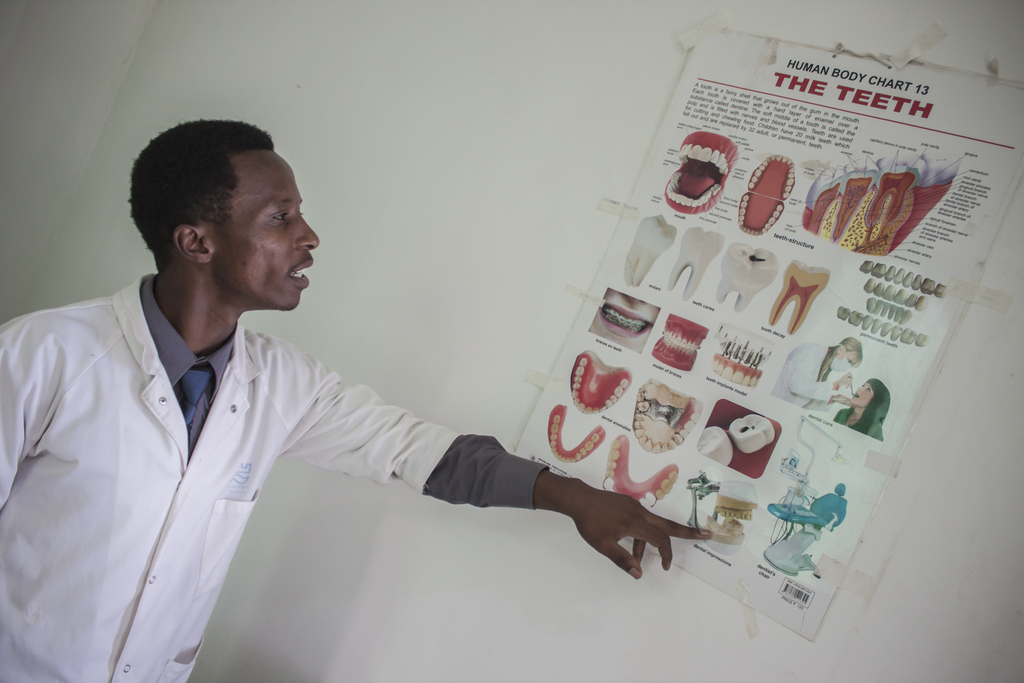
Precisely this combination of professional ambition and community engagement that Help to Help seeks to support.
JOAKIM RÅDSTRÖM
Freelance journalist
Website: www.joakimradstrom.com
Email: freelance@joakimradstrom.com
Help to Help
https://helptohelpfoundation.com/about_scholarship