
By Dr Shahana Abed
When people ask me why I continue to fly into regional Australia to practise dentistry, they usually assume the answer lies somewhere between adventure and professional variety.
It doesn’t.
The answer began more than two decades ago, on another continent.
Like every newly qualified dentist in South Africa, I was required to complete compulsory community service before receiving full registration. For many graduates, this meant working in rural communities where access to healthcare was limited and resources were scarce. At the time, it felt like an obligation. Looking back, it was probably the most important year of my education.
It taught me something that no textbook ever could.
Healthcare is never simply about disease.
It is about access.
It is about equity.
It is about geography.
And most importantly, it is about people.
Years later, after moving to Australia, I expected the healthcare system to be entirely different. In many ways it is. Australia has world-class clinicians, outstanding universities and remarkable technology.
Yet I found myself recognising a familiar pattern.
Different country.
Different health system.
The same challenge.
Patients living outside metropolitan centres still face barriers to care that many city patients never experience. Distance, workforce shortages, limited specialist services, long waiting times and travel costs continue to influence health outcomes simply because of where someone lives.
That observation has shaped not only my clinical career, but also my academic one.
Studying an MBA with a focus on healthcare strategies and operations fundamentally changed the way I thought about regional healthcare. Clinical experience teaches you how to treat individual patients. Healthcare management teaches you how to improve systems that affect thousands of patients.
Those are very different perspectives.
One changes a life.
The other changes a community.
We don’t have a dentist shortage. We have an access problem.
The conversation around rural dentistry often focuses on attracting more clinicians into regional practice.
But I believe we are asking the wrong question.
The question shouldn’t simply be: “How do we send more dentists to rural Australia?”
It should be: “How do we build systems that ensure every Australian receives the same standard of care regardless of postcode?”
Those are very different goals.
Flying clinicians into regional communities helps today.
Building systems helps for decades.
The old proverb says: “Give someone a fish and you feed them for a day. Teach them to fish and you feed them for a lifetime.”
Healthcare is no different.
We cannot continue solving systemic problems with individual effort alone.
Rural practice doesn’t just treat patients. It builds better clinicians.
One lesson from my own community service has remained with me throughout my career.
Regional practice changes clinicians.
When resources are limited, you become resourceful.
When specialist support is hours away, you become a better decision-maker.
When patients have travelled hundreds of kilometres to see you, communication becomes more important than ever.
When you’re part of a small community, trust isn’t optional; it is the foundation of healthcare.
Regional practice develops humility.
It develops adaptability.
It develops resilience.
It teaches accountability because your reputation is built one patient at a time.
These are not simply clinical skills.
They are leadership skills.
For that reason, I believe every dental graduate would benefit enormously from spending time working in regional or rural communities early in their career.
Not because rural communities need inexperienced graduates.
But because future leaders need the perspective that regional practice provides.
The future isn’t more flights. It’s smarter systems.
FIFO clinicians are part of the solution.
They are not the whole solution.
The future of regional healthcare lies in building systems that make geography matter less.
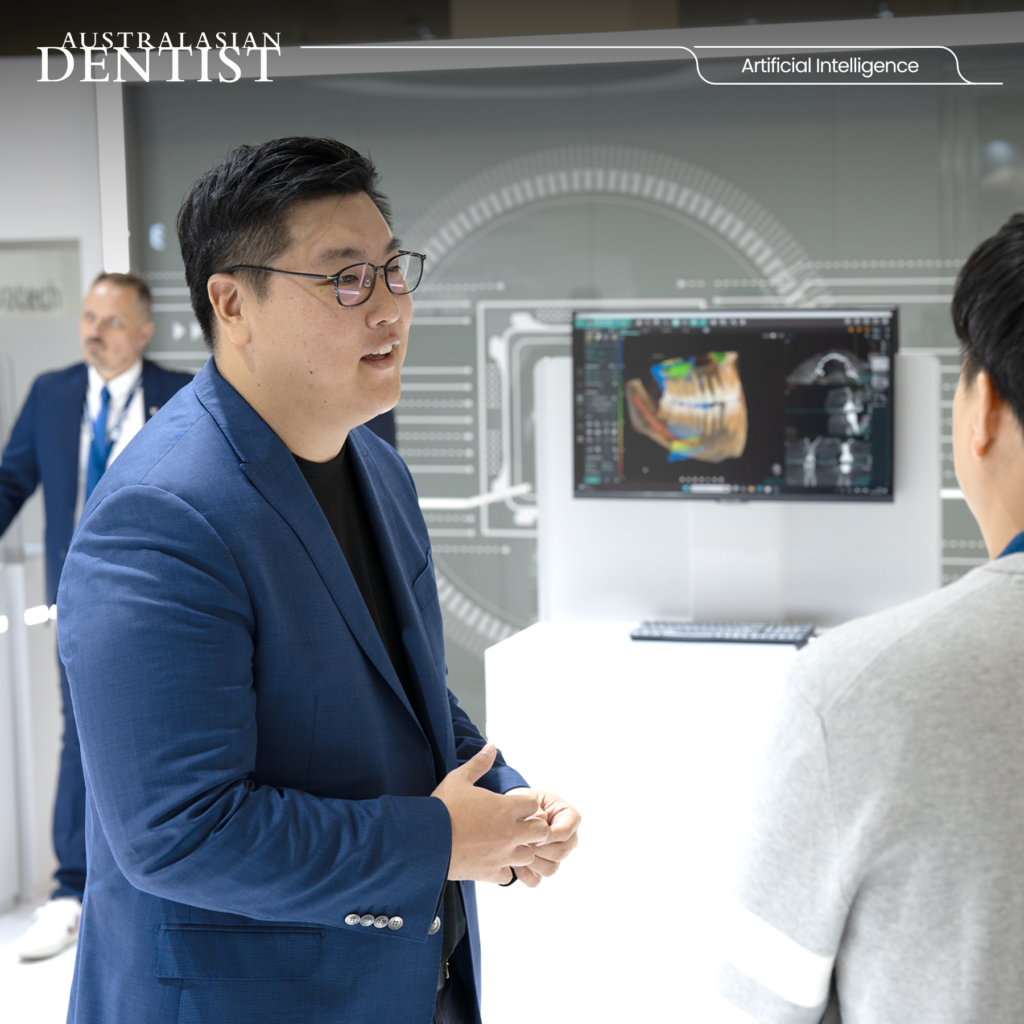
That means embracing digital treatment planning and virtual multidisciplinary case discussions.
It means mentoring regional clinicians so that more advanced procedures can be performed locally.
It means creating consistent clinical protocols that allow patients to receive the same quality of care whether they are treated in Sydney or Griffith.
It means using technology to extend expertise rather than concentrating it in major cities.
It means flying knowledge—not just clinicians.
Every regional practitioner who becomes more confident, every local team that develops new skills, every patient who no longer needs to travel hundreds of kilometres for treatment represents a sustainable improvement in healthcare access.
That should be our goal.
Every postcode deserves the same standard of care.
Healthcare should never be determined by someone’s postcode.
Whether a patient lives in a capital city, a regional centre or a remote farming community, they deserve the same compassion, the same quality of clinical decision-making and the same opportunity to access modern healthcare.
Regional dentistry is not about doing dentistry somewhere else.
It is about ensuring that geography becomes increasingly irrelevant to the quality of care people receive.
That requires clinicians.
It requires educators.
It requires mentors.
It requires technology.
Most importantly, it requires systems.
Looking beyond the runway
Every time I board a flight to a regional clinic, I’m reminded that the aircraft itself isn’t the story.
The story is the patient waiting on the other end.
The young clinician seeking mentorship.
The local team wanting to offer more.
The community determined to build stronger healthcare closer to home.
Regional dentistry has never been about flying further.
It has always been about bringing healthcare closer.
If we truly want to improve healthcare access across Australia, we need to stop asking how we move patients to care.
We should be asking how we move expertise, knowledge and opportunity to patients instead.
Because the future of regional healthcare will not be defined by how many kilometres clinicians travel.
It will be defined by how effectively we build systems that ensure every Australian—regardless of where they live has access to exceptional care.